Boiler Repair in Howard Beach, Queens
Restoring safe, dependable warmth to detached one-family homes, multi-story brick duplexes, and waterfront residential properties across Howard Beach, Lindenwood, and Hamilton Beach. Experienced diagnostic troubleshooting for low-pressure steam and closed hydronic heating systems.
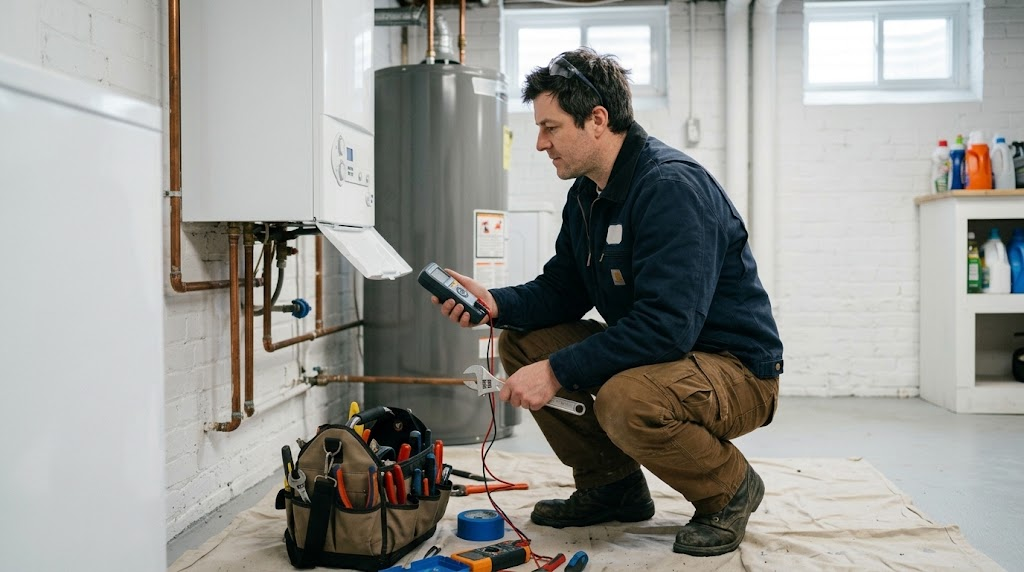
Expert Heating Diagnostics for Howard Beach Properties
Heating architecture in Howard Beach presents unique engineering realities. Situated along the shores of Jamaica Bay, local homes range from historic waterfront bungalows near Shellbank Basin to split-levels and solid brick two-family houses off Cross Bay Boulevard.
When outdoor temperatures plunge below freezing across southern Queens, your residential heating boiler shoulders tremendous pressure. Whether you require prompt steam boiler repair Howard Beach Queens or emergency diagnostics for a closed hot water circuit, identifying the root cause prevents repeated burner lockouts, damaged heat exchangers, and cold living rooms. Our technicians approach boiler systems systematically—verifying electrical ignition controls, mechanical safety valves, fuel supply integrity, and hydronic circulation.
If you are experiencing a complete heating breakdown or sudden no heat boiler repair Howard Beach Queens emergency, immediate telephone dispatch provides direct guidance. We understand that waking up to cold cast-iron radiators or freezing basement drafts requires decisive technical action, not automated answering services.
Steam vs. Hydronic Boilers in South Queens Homes
A heating system cannot be serviced properly without recognizing whether it operates on low-pressure steam or circulated hot water. Many older properties in Howard Beach still utilize single-pipe low-pressure steam, whereas modernized homes and ranch layouts often rely on multi-zone hydronic loops.
Low-Pressure Steam Systems
Steam systems generate vapor inside a heavy cast-iron vessel, relying on gravity condensate return and sensitive balancing controls:
- Sight Glass Monitoring: The water level must hover cleanly in the middle third of the glass column. Low water triggers automatic burner cutoff.
- Pressure Limits: Residential systems operate under 2 PSI. Faulty pressuretrols can over-pressurize pipes, causing leaks or high fuel usage.
- Air Elimination: Every radiator requires a functional air vent. Stuck vents prevent steam entry, leaving rooms cold.
- Pitch & Hammering: Improperly graded runouts cause condensate puddling, leading to loud violent knocking.
Hydronic Hot Water Systems
Hydronic boilers heat water between 140°F and 180°F without boiling it, circulating liquid through sealed distribution networks:
- Circulator Pumps: Electric impeller pumps push heated water through baseboard convectors or radiant loops.
- System Pressure: Closed hydronic loops hold 12 to 20 PSI via automatic pressure-reducing water feeders.
- Expansion Tanks: Diaphragm expansion tanks absorb thermal volume changes; waterlogged tanks blow relief valves.
- Air Scoops & Bleeders: Trapped air bubbles create gurgling sounds in baseboards and stop flow to second-story zones.
For dedicated troubleshooting of a high-efficiency sealed water unit, explore our specialized hot water boiler repair Howard Beach Queens services, or learn more about radiator balancing on our radiator repair page.
Common Boiler Warning Signs Homeowners Encounter
Catching heating malfunctions before a total system lockout prevents emergency freeze-ups and costly secondary water damage. If your boiler not working Howard Beach Queens equipment exhibits any of the following symptoms, an immediate inspection is warranted:
No Heat or Intermittent Firing
The burner begins its ignition cycle, clicks repeatedly, and suddenly cuts out. This typically points to faulty flame sensors, broken thermocouple probes, tripped high-limit switches, or electronic ignition module failures.
Violent Banging or Gurgling
Clanging "kettling" noises inside a boiler indicate mineral limescale accumulation on heat exchanger walls. In steam pipes, loud knocking indicates standing water colliding with surging high-velocity steam.
Water Puddling & Corrosion
Puddles pooling under the boiler jacket signal a leaking circulator pump flange, cracked cast-iron section, deteriorated drain valve, or an actively discharging 30-PSI pressure relief valve.
Pressure Gauge Spikes or Drops
Pressure climbing beyond 30 PSI on a hot water boiler triggers the relief valve to dump hot water on the cellar floor. Zero pressure means the system cannot push heat up to upper bedrooms.
Yellow Burner Flames & Sooting
A healthy atmospheric natural gas boiler repair Howard Beach Queens burner displays sharp, crisp blue flames. Yellow, lazy flames signify incomplete combustion, obstructed flue passages, or draft issues.
Low-Water Cutoff Cycling
The low-water cutoff safety device stops the burner when water dips. Float-type mechanisms choked with sediment will falsely shut off heat or fail to shut off during true dry-fire conditions.
How an Inspection and Repair Visit Works
We do not guess at heating issues or replace random components without systematic verification. Every service visit follows a rigorous mechanical protocol designed to isolate electrical, combustion, and hydraulic defects:
-
1
Initial Visual & Safety Evaluation
We inspect the exterior boiler casing, verify the gas shutoff valve, inspect chimney smoke pipes for chimney backdrafting, check carbon monoxide presence around the draft hood, and evaluate electrical disconnect switches.
-
2
Electrical & Control Circuit Testing
Using calibrated digital multimeters, we measure voltage across the 24V step-down transformer, thermostat terminals, aquastats, spill switches, flame rollout safety devices, and the electronic ignition controller.
-
3
Water Level & Hydraulic Pressure Verification
For steam units, we flush the low-water cutoff valve, verify clear sight glass response, and test the pressuretrol calibration. For hydronic units, we test cold and hot system pressures, expansion tank air bladder charge, and check for leaking relief valves.
-
4
Burner Assembly & Combustion Chamber Check
We inspect gas burner orifices, pilot burner assemblies, spark igniters, and flame rectification rods. We examine heat exchanger combustion surfaces for soot buildup, cracking, or iron oxide flakes that restrict flue gases.
-
5
Component Repair & Post-Service Operational Cycle
After executing targeted component replacements—such as thermocouples, zone valves, relief valves, or ignition controls—we fire the boiler through a full heating sequence to verify smooth burner ignition, stable pressure, and balanced distribution.
Local Queens Architectural Factors in Heating Failures
In residential pockets such as Hamilton Beach, properties sit close to sea level along Hawtree Creek and the Jamaica Bay shoreline. High subterranean groundwater tables and coastal dampness frequently create cellar conditions where atmospheric boilers suffer accelerated outer jacket rust, rusted burner trays, and electrical corrosion.
Meanwhile, across the brick townhouse rows and post-war two-family dwellings of Lindenwood and near Charles Park, boilers often feature multiple heating zones added over decades of renovations. Imbalanced zone valves, undersized circulators, and mineral scale from hard water deposits frequently choke flow to rear additions and attic bedrooms. If you reside near Cross Bay Boulevard and find yourself searching for boiler repair near Lindenwood or boiler repair near Hamilton Beach, understanding these specific local building environments helps pinpoint why equipment behaves inconsistently.
Crucial Safety Warning for Property Owners
Never attempt to bypass a low-water cutoff safety switch, wedge a gas control valve open, defeat a spill switch, or adjust a steam pressuretrol higher to force heat through stuck pipes. Doing so creates immediate risks of boiler explosion, dry-firing, gas leaks, or fatal carbon monoxide poisoning. Always call a qualified heating professional.
Repair vs. Replacement: Making the Right Decision
Not every broken boiler requires immediate replacement. In many cases, replacing an inexpensive ignition module, thermocouple, pressure relief valve, or zone circulator restores equipment to reliable operation for years. However, certain catastrophic failures signal that replacement is the only safe financial and structural path forward.
| System Consideration | When Repair is Recommended | When Replacement is Advisable |
|---|---|---|
| Heat Exchanger Integrity | Sections are clean, watertight, and show no metal fracturing or pinholes. | Cast-iron sections are cracked, rusted through, or leaking internal water into the combustion chamber. |
| Equipment Age | System is under 12–15 years old with solid body construction and available parts. | Unit exceeds 20–25 years old; replacement components are obsolete or discontinued. |
| Frequency of Breakdowns | Isolated mechanical breakdown (e.g. failing zone valve or weak circulator). | Multiple service calls each winter; ongoing electrical and ignition dropouts. |
| Operating Efficiency | Burner burns clean blue flame with balanced chimney draft. | Severe sooting, chronic heat loss, and dramatically escalating heating utility bills. |
If your heating plant has reached the end of its operational lifecycle, review our comprehensive guide on boiler replacement in Howard Beach to learn about heating load calculations, venting requirements, and NYC code compliance.
Homeowner Prevention & Safe Troubleshooting Tips
Before calling for service during a sudden heating cold snap, homeowners can safely perform a few non-invasive checks without opening electrical boxes or touching fuel lines:
- Check the Emergency Red Switch: Emergency boiler shutoff switches located at the top of basement stairs can be brushed accidentally by children or during household deliveries. Verify it is flipped to "ON".
- Examine Thermostat Settings: Ensure your digital thermostat has fresh batteries, is set to "HEAT" mode, and the set temperature is at least 3 degrees above current room temperature.
- Inspect the Steam Sight Glass: If you have a steam boiler, glance at the glass gauge tube. If it is completely empty, the burner is likely locked out by the low-water cutoff to prevent dangerous dry-firing.
- Clear Basement Air Intakes: Boilers require fresh oxygen for combustion. Never store cardboard boxes, paint cans, or chemical solvents within 3 feet of your heating appliance.
- Listen for Abnormal Sounds: Screeching motor bearings on hydronic pumps or roaring burner flames are early warnings of mechanical failure.
Comprehensive Heating & Plumbing Services in Howard Beach
In addition to dedicated emergency boiler diagnostics, we offer full residential support for interconnected water, steam, and gas infrastructure across Queens:
Boiler Replacement
Turnkey removal and installation of high-efficiency cast-iron steam boilers and hydronic hot water systems with precise heat loss calculations and NYC DOB filing.
Steam Heat & Radiator Repair
Resolving cold cast-iron radiators, hiss-prone air vents, stuck steam shutoff valves, and loud radiator pipe banging throughout older Queens residences.
Water Heater Repair
Diagnostics for domestic hot water tanks, tankless heating units, and indirect water heaters tied into central residential boiler configurations.
Sewer Line Repair
High-resolution video camera pipe inspections, tree root clearing, spot repairs, and street line rehabilitation for subterranean sewer lines.
Sump Pump & Flood Protection
Primary submersible pumps, dual battery backups, and sewer backwater valve installations essential for coastal Howard Beach basements.
Gas Line Repair & Inspection
Safe piping diagnostics, pressure testing, gas appliance hookups, and NYC Local Law 152 visual inspection compliance by licensed specialists.
Drain Cleaning
Clearing blocked kitchen sinks, slow main house traps, bathroom backups, and underground grease stoppages using mechanical rooters.
Frequently Asked Boiler Repair Questions
Check that the emergency shutoff switch (often labeled with a red plate near the basement stairs or burner) has not been accidentally turned off. Check your thermostat batteries and verify settings are called for heat. For steam systems, safely inspect the sight glass to see if water is visible. If the system is unresponsive or making violent clanking noises, shut off power and call (315) 202-8009 for prompt professional diagnostic evaluation.
Radiator water hammer or clanging occurs when condensing steam encounters trapped pooled condensate inside the pipes or radiator cast-iron body. Common culprits in Howard Beach homes include radiators pitched the wrong way (preventing water from draining back toward the boiler), failed steam air vents that cannot release air properly, or an overfilled boiler sending surging wet steam into distribution mains.
Steam boilers boil water to create steam vapor that rises through distribution piping under slight pressure (usually 0.5 to 2 PSI) and relies on sight glasses, pressuretrols, and low-water cutoffs. Hydronic systems circulate closed loops of pressurized heated water (12 to 25 PSI) through copper or baseboard tubing using mechanical circulator pumps and expansion tanks. Each system requires specialized diagnostic tools and distinct safety protocols.
Properties in Howard Beach, Hamilton Beach, and near Jamaica Bay frequently face elevated sub-grade moisture and localized water tables. This environmental dampness accelerates external rust on boiler floor plates, corrodes electrical burner junctions, and causes draft diverter pitting. Regular combustion checks and dry boiler base pads are critical for equipment longevity in these coastal Queens neighborhoods.